
Redefining Automotive Product Development in a Digital-First Era
The automotive industry is experiencing a fundamental transformation driven by innovation, connectivity, and sustainability. Product development, once considered a structured and time-consuming process, has evolved into a highly dynamic and technology-led journey. Businesses today are no longer focused solely on building vehicles; they are focused on creating intelligent, efficient, and future-ready mobility solutions.
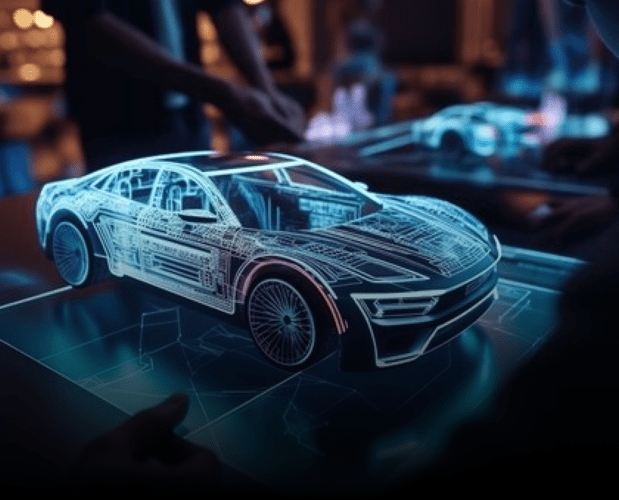
In this rapidly changing environment, the ability to develop products faster while maintaining quality and compliance has become a critical differentiator. This is where advanced product development methodologies play a vital role in helping organisations stay competitive.
Digital Ideation and Early-Stage Innovation
Modern product development begins long before a physical prototype is created. It starts with digital ideation, where concepts are visualised and refined using advanced engineering tools. These digital environments allow engineers to experiment, optimise designs, and evaluate performance at an early stage. As a result, companies can identify potential issues before they escalate, significantly reducing both time and cost.
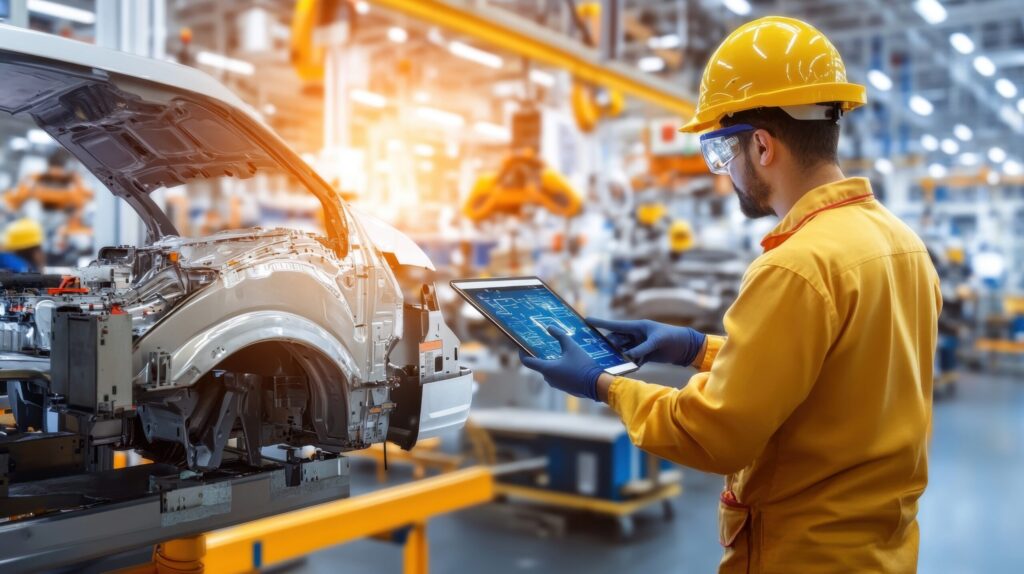
The Power of Simulation and Virtual Validation
The integration of simulation technologies has further strengthened this process. Engineers can now test products under real-world conditions within a virtual environment, analysing everything from structural strength to durability and safety. This approach not only improves accuracy but also eliminates the need for multiple physical prototypes, making the entire development cycle more efficient and sustainable.
Integration of Complex Automotive Systems
Another key aspect of modern product development is the seamless integration of mechanical, electrical, and software systems. Today’s vehicles are complex ecosystems powered by embedded systems, electronic architectures, and connected technologies. Ensuring that these components work together flawlessly requires a high level of precision and expertise. A well-integrated system enhances performance, improves user experience, and ensures long-term reliability.